


Latest Version
July 27, 2024
PARTYPOP PTE. LTD.
Casual
0
com.match.meditation
Report a Problem
More About :game
What Is Mahjong Scapes?
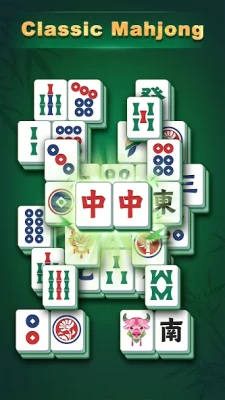
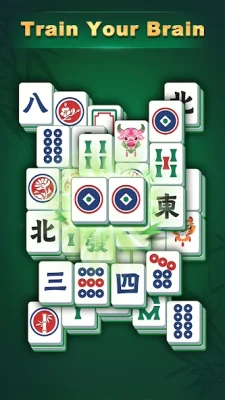
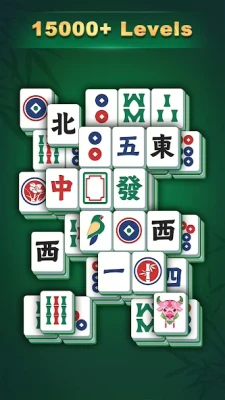
Mahjong Scapes is a single-player puzzle game built around the familiar rules of mahjong solitaire. Instead of competing against another player, you work through a layout of tiles, finding matching pairs and clearing the board.
The appeal comes from its combination of straightforward gameplay and careful decision-making. A level may look simple at first, but the order in which you remove tiles can determine whether you can finish the puzzle. Some matches uncover useful tiles, while others can leave important pieces trapped beneath the remaining layout.
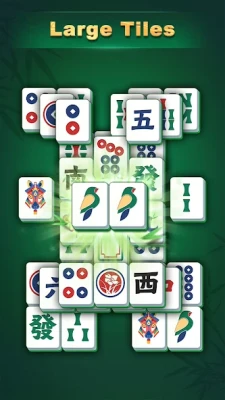
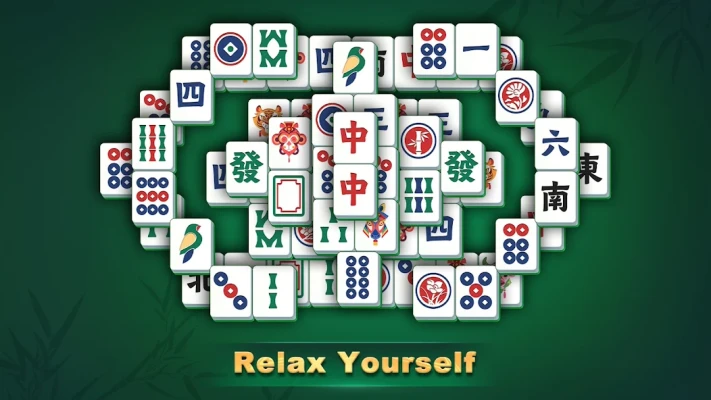
The game also puts considerable emphasis on relaxation. Its large tile designs, uncluttered presentation, soothing music, and courtyard scenery create an inviting atmosphere for short breaks or longer puzzle sessions. Players can take their time, think through the available moves, and enjoy the process without racing against a clock.
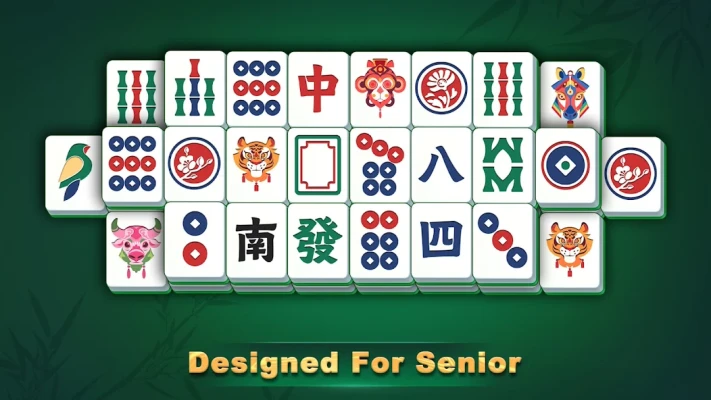
Mahjong Scapes is especially suitable for casual puzzle fans and older adults who appreciate readable visuals and easy-to-understand controls. However, its tile-matching challenges can also appeal to experienced players who enjoy planning ahead.
Main Features of Mahjong Scapes
1. Classic Mahjong Solitaire Gameplay
The central challenge is to identify identical tiles and remove them in pairs. Each successful match gradually reveals more of the board and brings you closer to completing the level.
Although the basic rule is easy to learn, solving a layout efficiently requires observation, planning, and an understanding of which tiles are accessible.
2. Relaxed, Timer-Free Puzzles
Mahjong Scapes emphasizes a calm playing experience rather than speed. You can examine the board, compare possible matches, and think about the consequences of a move before selecting your tiles.
This makes the game suitable for players who prefer thoughtful puzzles over games that demand quick reactions.
3. Large, Clear Tile Designs
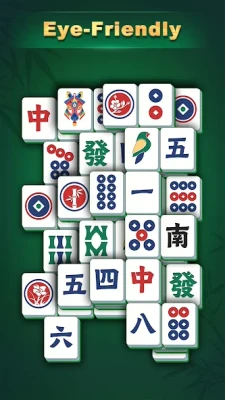
The game features readable tile designs and a visual layout intended to make matching more comfortable. Clear symbols are particularly useful when several similar-looking tiles appear close together.
Taking a moment to identify the exact symbol on each tile can prevent mistakes and help you plan better combinations.
4. Peaceful Courtyard Environments
Mahjong Scapes incorporates serene courtyard scenes and customizable backgrounds. These visual settings add variety to the puzzle experience and reinforce the game's relaxing atmosphere.
Unlocking new surroundings also gives players another reason to continue progressing through the available levels.
5. Helpful Hints and Puzzle Tools
When a layout becomes difficult, the game provides hints and other assistance to help you work through challenging situations.
These tools are useful for beginners, but using them thoughtfully can also help experienced players understand unfamiliar layouts and avoid unnecessary frustration.
6. Offline Play
Mahjong Scapes supports offline gameplay, allowing you to enjoy puzzles when an internet connection is unavailable. This can make it a convenient option for travel, waiting rooms, or quiet breaks away from a reliable connection.
Some online-dependent features, advertisements, or other services may still require connectivity.
7. Play on Phones and Tablets
The game is designed for mobile devices and tablets, giving players the flexibility to choose a screen size that suits their preferences. A larger display can make it easier to inspect complicated layouts and distinguish between similar tiles.
How to Play Mahjong Scapes
The basic rules are simple, but understanding tile availability is essential to solving levels consistently.
Step 1: Examine the entire board.
Before making your first move, look across the layout. Identify matching tiles, notice which pieces are covered, and check which tiles appear to block access to others.
Step 2: Select a matching pair.
Tap two identical tiles that are available for selection. When a valid pair is removed, the tiles beneath or beside them may become accessible.
Step 3: Look for newly revealed matches.
Every match can change the options available on the board. After removing a pair, scan the layout again rather than automatically choosing the next obvious match.
Step 4: Keep clearing the layout.
Continue matching identical available tiles while paying attention to the remaining board. Your objective is to remove all the tiles in the level.
Step 5: Use assistance when necessary.
If you cannot identify a useful move, consider using a hint or another available tool. First, take another look at the board to see whether you missed an accessible pair.
Step 6: Continue through the levels.
As you progress, you will encounter further puzzles and opportunities to explore additional visual settings. Treat each new layout as a fresh problem rather than relying on the same opening moves every time.
Complete Mahjong Scapes Strategy Guide
Strategy 1: Plan Before You Match
One of the most common mistakes in mahjong solitaire is removing the first matching pair you notice. Although that move may seem useful, it can sometimes make the rest of the puzzle harder.
Before choosing a pair, consider three questions:
Will this move uncover another tile?
Could it open access to a group of tiles that is currently blocked?
Is there another matching pair that would give me more options?
You do not need to calculate every move in advance. Even a brief comparison of two possible matches can help you avoid unnecessary dead ends.
Strategy 2: Prioritize Tiles That Unlock the Board
Some tiles are more important because removing them opens up other parts of the layout. When choosing between several available pairs, pay attention to those that expose covered tiles or improve access to blocked areas.
For example, suppose one pair removes two tiles from an open section while another pair helps uncover a deeper stack. If the second option creates more future moves, it may be the stronger choice.
The best move is not always the pair that removes the most visually prominent tiles. It is often the one that gives you greater freedom later.
Strategy 3: Avoid Leaving Difficult Tiles Until the End
A board can become frustrating when a few important tiles remain trapped or their matching partners have already been removed from useful positions.
Keep an eye on distinctive tiles that appear in limited locations. If a particular match is essential to opening a section, consider dealing with it before the board becomes crowded with fewer options.
This does not mean every rare-looking tile must be matched immediately. Instead, consider how removing it will affect the rest of the layout.
Strategy 4: Recheck the Board After Every Match
Removing a pair can uncover new tiles or change which parts of the board are accessible. A move that was impossible moments ago may now be available.
Make it a habit to scan the full layout after each successful match. Look at the newly exposed areas first, then compare the remaining pairs elsewhere.
This simple habit can help you spot opportunities that are easy to miss when you focus on only one corner of the board.
Strategy 5: Keep Track of Matching Tile Groups
When several identical tiles appear on the board, do not assume that every possible pair is equally useful.
Try to identify which copies are accessible and which are covered or blocked. Matching two accessible copies may be a good move, but using them without considering a more important blocked section could reduce your future options.
The goal is to make progress while keeping enough useful matches available to finish the layout.
Strategy 6: Use Hints as a Learning Tool
Hints can help when you are stuck, but they are most valuable when you understand why the suggested move matters.
Before using one, inspect the board carefully and try to identify a valid pair yourself. If you need assistance, follow the suggestion and then examine what changed.
Ask yourself whether the move uncovered a tile, opened a new section, or prevented a difficult endgame. Over time, this approach can improve your decision-making and reduce your dependence on hints.
Strategy 7: Slow Down During the Endgame
The final section of a puzzle can be harder than the opening because fewer matching options remain. A seemingly harmless move may leave a tile without an accessible partner.
When only a small number of tiles remain, stop and evaluate the available pairs. Check whether any tiles are still covered and whether your next match will open or close access to important pieces.
There is no advantage to rushing through a timer-free puzzle. Use the extra time to make the final moves carefully.
Strategy 8: Choose the Right Playing Environment
Mahjong Scapes is designed for relaxed play, so your surroundings can affect how comfortably you solve puzzles.
If you find it difficult to distinguish between tiles, try playing on a larger screen or adjusting the device's display settings where available. Choose a comfortable brightness level and reduce glare.
You can also adjust the background or sound experience to suit your preferences. Clear visuals and a comfortable setup can make longer sessions easier to enjoy.
Strategy 9: Take Breaks When a Puzzle Becomes Frustrating
Repeatedly examining the same board can make it harder to notice a solution. If you have tried several combinations without success, take a short break and return with fresh eyes.
When you resume, inspect the remaining tiles systematically instead of repeating the same sequence of moves. A different perspective may reveal a pair or an opening you previously overlooked.
Strategy 10: Build a Consistent Puzzle Routine
Regular play helps you become more familiar with common tile arrangements and the consequences of different matching decisions.
Rather than trying to complete as many levels as possible in one sitting, focus on making thoughtful moves. Notice which decisions tend to leave you with fewer options and which ones open up more of the board.
Over time, you can develop a more reliable approach to solving new layouts.
Advanced Mahjong Scapes Tips and Tricks
Look for blocked sections first: Identify areas where removing one pair could uncover several other tiles.
Compare competing moves: When multiple pairs are available, choose the one that offers the best future opportunities.
Do not match automatically: A valid pair is not necessarily the most strategic pair.
Watch the remaining tile groups: Pay attention to tiles with limited accessible matches.
Reassess after every move: Newly uncovered tiles can change your priorities.
Save hints for genuine obstacles: Use assistance when careful inspection does not reveal a good move.
Be patient with difficult layouts: There is no countdown forcing you to make an immediate decision.
Use a tablet if helpful: A larger display may make complicated arrangements easier to inspect.
Enjoy the scenery: Background customization adds variety without requiring you to rush through the puzzles.
Learn from difficult endings: If you repeatedly reach a point where no useful move is apparent, review the choices that led there.
Common Mistakes to Avoid
Matching the First Pair You See
This approach can remove a useful tile before it has helped open the board. Compare the available pairs before committing to a move.
Ignoring Covered Tiles
Tiles that remain hidden may contain the matches needed to finish a level. Prioritize moves that improve access to these sections when appropriate.
Forgetting to Recheck Newly Opened Areas
After a pair disappears, the layout may offer new possibilities. Scan the board again instead of continuing with an outdated plan.
Using Hints Too Quickly
Hints are helpful, but using them immediately can prevent you from developing your own puzzle-solving skills. Try to find the next move independently first.
Rushing Through the Final Moves
The endgame often has fewer options than the opening. Take extra care when only a small group of tiles remains.
Expecting Every Level to Follow the Same Pattern
Different layouts require different decisions. A strategy that works well in one puzzle may not be appropriate for the next.
Is Mahjong Scapes Good for Beginners?
Yes. Mahjong Scapes is accessible to beginners because its basic objective is easy to understand: match identical available tiles and clear the board.
The readable tile designs and relaxed pace also make it less intimidating than puzzle games that require rapid reactions. New players can learn the fundamentals through ordinary play and use hints when they encounter a difficult layout.
Beginners should concentrate on three habits: inspect the board before making a move, pay attention to tiles that are uncovered, and reconsider the remaining layout after every match. These skills are more useful than trying to memorize a fixed sequence of moves.
Experienced mahjong solitaire players can also enjoy the game as a casual alternative to more competitive puzzle experiences.
Graphics, Music, and Atmosphere
Mahjong Scapes creates a calm atmosphere through its courtyard scenery, tile presentation, and relaxing background music. The visual design supports the main activity without demanding constant attention, keeping the focus on the puzzle itself.
Its large, clear tiles are a practical advantage for players who prefer comfortable readability. Background customization adds visual variety, while the absence of timer pressure encourages a slower pace.
The result is a game suited to a quiet morning, a short break during the day, or a relaxing evening puzzle session.
Pros and Cons of Mahjong Scapes
Pros
Familiar mahjong solitaire gameplay that is easy to learn.
Relaxed puzzles without countdown timer pressure.
Large, readable tile designs.
Helpful hints and tools for challenging layouts.
Peaceful courtyard environments and customizable backgrounds.
Offline play support.
Suitable for short sessions or longer periods of casual play.
Designed for smartphones and tablets.
Offers a quieter alternative to fast-paced mobile games.
Cons
Players who prefer competitive multiplayer may find the single-player focus limiting.
The core tile-matching mechanic may feel repetitive to those who want frequent changes in gameplay.
Some difficult layouts require patience and careful planning.
Advertisements and optional in-app purchases may affect the experience.
Players who enjoy timed challenges or high-pressure scoring may prefer a more competitive puzzle game.
Mahjong Scapes Game Information
Game Title: Mahjong Scapes®
Developer: PARTYPOP PTE. LTD.
Genre: Board, puzzle, and mahjong solitaire
Main Gameplay: Matching identical available tiles to clear the board
Game Mode: Single-player
Difficulty: Accessible to beginners, with puzzles that require increasing attention as you progress
Controls: Simple touch-based tile selection
Visual Style: Peaceful courtyard scenery and clear tile designs
Audio: Soothing background music
Offline Play: Supported
Platforms: Android, with Windows availability also listed on Google Play
Target Audience: Casual puzzle fans, mahjong solitaire players, and people who prefer a relaxed gaming experience
Monetization: Free to play, with advertisements and in-app purchases
Content Rating: Everyone
Features and availability may vary by device, region, and game version.
Frequently Asked Questions
What is Mahjong Scapes?
Mahjong Scapes is a mahjong solitaire puzzle game where you match identical available tiles to clear layouts. It combines traditional tile-matching gameplay with relaxing backgrounds and a timer-free experience.
How do you win in Mahjong Scapes?
The objective is to remove all tiles from the board by selecting valid matching pairs. Successful play depends on choosing useful matches, uncovering blocked tiles, and preserving access to important pairs.
Is Mahjong Scapes free to play?
The game is listed as free to install on Google Play. It contains advertisements and offers in-app purchases, so some parts of the experience may involve optional purchases.
Can you play Mahjong Scapes offline?
Yes. The game supports offline play, making it suitable for playing without a continuous internet connection. Some online-dependent features may not be available offline.
Is Mahjong Scapes suitable for seniors?
The game is specifically designed with older players in mind. Its large, clear tiles, simple controls, and relaxed pace can make it a comfortable choice for seniors who enjoy casual puzzles.
Does Mahjong Scapes have a timer?
The game's advertised experience emphasizes timer-free puzzles, allowing players to think through their moves without the pressure of a countdown.
Are hints available in Mahjong Scapes?
Yes. The game includes hints and other assistance to help players when a puzzle becomes difficult. Using a hint after carefully checking the board can also help you understand possible moves.
Can you change the backgrounds in Mahjong Scapes?
Yes. The game includes customizable backgrounds and peaceful courtyard environments that add visual variety to the puzzle experience.
Is Mahjong Scapes a multiplayer game?
Its main gameplay is presented as a single-player mahjong solitaire experience rather than a competitive multiplayer game.
What is the best strategy for Mahjong Scapes?
Look for matches that uncover blocked tiles, compare possible moves before selecting a pair, and review the board after each match. During the endgame, pay particular attention to the remaining tiles so you do not remove a pair that would have been more useful earlier.
Is Mahjong Scapes good for relaxing?
Its unhurried gameplay, calm scenery, and soothing music make it suitable for players seeking a more relaxed puzzle experience. Individual preferences vary, but the game is designed to be played at a comfortable pace.
YouTube Gameplay Video
Players who want to see Mahjong Scapes in action can look for gameplay videos demonstrating the tile layouts, matching mechanics, courtyard environments, and progression through levels.
Recommended YouTube search phrase: Mahjong Scapes gameplay walkthrough tips and tricks
For the best results, choose a video that clearly shows the current version of Mahjong Scapes and its actual tile-matching gameplay. Confirm the game's title before embedding a video on your page.
Final Verdict
Mahjong Scapes is a strong choice for players who enjoy classic mahjong solitaire with a relaxed presentation. Its clear tiles, accessible controls, peaceful courtyard backgrounds, hint tools, and offline support make it suitable for casual puzzle sessions without the pressure of a countdown.
The key to progressing is not simply matching whichever tiles are easiest to reach. Careful observation, planning around blocked sections, and checking the board after every move can help you solve layouts more consistently.
If you enjoy thoughtful tile-matching puzzles and prefer a calm gaming atmosphere over competitive challenges, Mahjong Scapes is worth considering for your next casual mobile game.
Rate the Game
User Reviews















Popular Games



















 Android
 iOS
iOS Windows
 Xbox
Xbox